


TL;DR
A comprehensive comparison of the best Apify alternatives for web scraping and automation in 2026.
- Apify's marketplace model has limits — expensive at scale and constrained to pre-built Actors
- ScrapeGraphAI offers AI-powered extraction — natural language prompts replace rigid scraping scripts
- Alternatives vary by strength — some excel at pricing, others at AI integration or customization
- Includes code examples for each tool — practical implementation comparisons side by side
Introduction
In the rapidly evolving landscape of web scraping and automation platforms, Apify has established itself as a popular choice for developers and businesses looking to extract data from websites and automate web workflows. Founded in 2015, Apify has built a marketplace of pre-built "Actors" (scrapers) and provides infrastructure for running web scraping tasks at scale. However, as the market continues to mature, many organizations are seeking alternatives that offer better pricing, more specialized features, or enhanced AI-powered capabilities for their specific use cases.
Whether you're looking for more cost-effective solutions, better AI integration, or simply exploring what else is available in the market, understanding your options is crucial for making the right technology decision. This comprehensive guide explores the best Apify alternatives available in 2025, helping you find the perfect solution for your web scraping and automation needs.
What is Apify
Apify is a web scraping and automation platform that provides a marketplace of pre-built "Actors" (scrapers) and infrastructure for running web scraping tasks. Founded in 2015, Apify allows users to either use existing Actors from their marketplace or build custom scrapers using their platform. The platform is designed to handle web scraping, data extraction, and automation workflows at scale.
Apify's core offering revolves around their Actor marketplace, where users can find pre-built scrapers for popular websites like Amazon, Instagram, LinkedIn, and many others. Users can run these Actors on Apify's cloud infrastructure, which handles scaling, proxy management, and result storage. The platform also provides APIs and SDKs for integrating scraping capabilities into applications.
However, while Apify offers a wide range of pre-built Actors and infrastructure, it can be expensive for high-volume usage, and the marketplace model means you're often limited to what's already available. Organizations looking for more flexible, AI-powered scraping solutions or better cost efficiency often need to explore alternatives that offer more control and better value.
How to use Apify
Here's a basic example of using Apify's API to run a scraper:
import requests
import time

def run_apify_actor(actor_id, input_data, api_token="apify_api_xxxxxxxxxxxxxxxxxxxxx"):
    """
    Run an Apify Actor and wait for results

    Args:
        actor_id (str): The ID of the Apify Actor to run
        input_data (dict): Input data for the Actor
        api_token (str): Apify API token

    Returns:
        dict: Results from the Actor run
    """
    try:
        headers = {
            'Authorization': f'Bearer {api_token}',
            'Content-Type': 'application/json'
        }

        # Start the Actor run
        run_url = f'https://api.apify.com/v2/acts/{actor_id}/runs'
        run_response = requests.post(run_url, json=input_data, headers=headers)
        run_response.raise_for_status()
        run_data = run_response.json()
        run_id = run_data['data']['id']

        # Wait for the run to complete
        status_url = f'https://api.apify.com/v2/actor-runs/{run_id}'
        while True:
            status_response = requests.get(status_url, headers=headers)
            status_response.raise_for_status()
            status_data = status_response.json()['data']

            if status_data['status'] == 'SUCCEEDED':
                # Get the results
                results_url =
                    f'https://api.apify.com/v2/actor-runs/{run_id}/dataset/items'
                results_response = requests.get(results_url, headers=headers)
                results_response.raise_for_status()
                return results_response.json()
            elif status_data['status'] == 'FAILED':
                raise Exception(f"Actor run failed: {status_data.get('statusMessage',
                    'Unknown error')}")

            time.sleep(2)  # Wait 2 seconds before checking again

    except requests.RequestException as e:
        print(f"Error using Apify: {e}")
        return None

# Example usage:
if __name__ == "__main__":
    # Run a web scraper Actor
    results = run_apify_actor(
        actor_id="apify/web-scraper",
        input_data={
            "startUrls": [{"url": "https://example.com"}],
            "pageFunction": "async function pageFunction(context) { return { title:
                document.title }; }"
        }
    )
    if results:
        print(f"Scraped {len(results)} items")
        for item in results:
            print(item)
What is ScrapeGraphAI
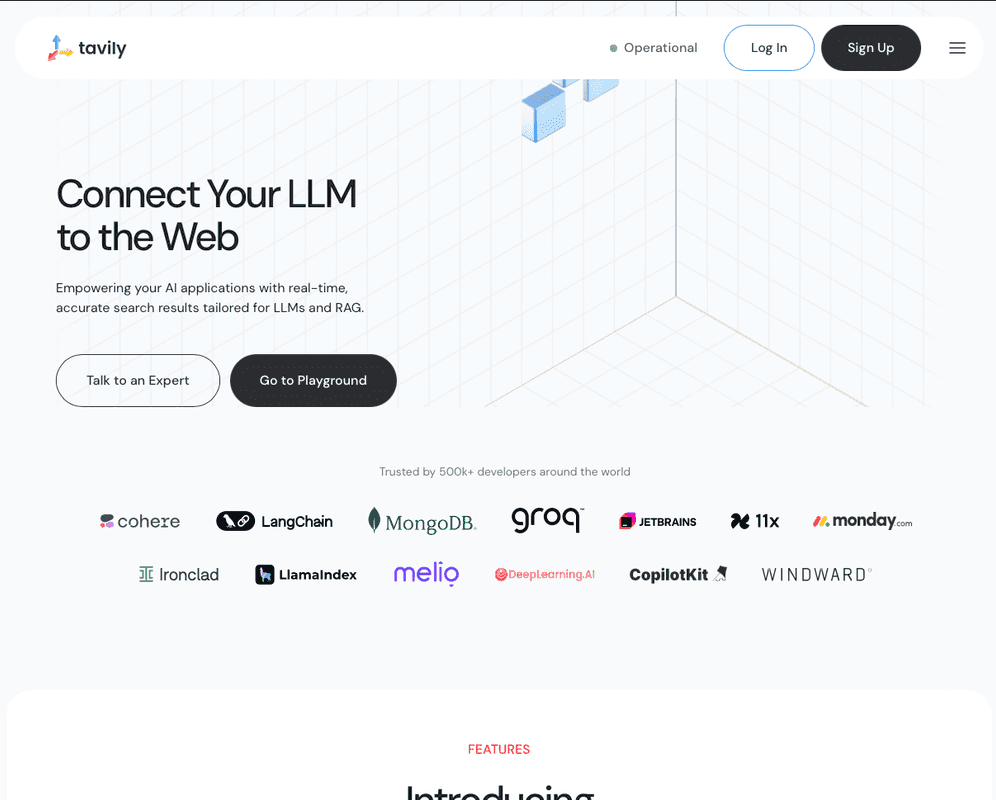
ScrapeGraphAI is a next-generation web scraping platform that leverages artificial intelligence and graph-based technology to extract structured data from any website. Unlike traditional scraping platforms that rely on pre-built scrapers or manual configuration, ScrapeGraphAI provides an intelligent, AI-powered solution that can adapt to any website structure automatically.
The platform uses intelligent graph-based navigation to understand website structures, making it capable of handling complex scraping scenarios that would be challenging or impossible with traditional tools. ScrapeGraphAI offers lightning-fast APIs, SDKs for both Python and JavaScript, automatic error recovery, and seamless integration with popular frameworks like LangChain and LangGraph.
What sets ScrapeGraphAI apart is its focus on production readiness and reliability. The platform operates 24/7 with built-in fault tolerance, handles dynamic content automatically, and provides structured data extraction with customizable schemas. Whether you're scraping e-commerce catalogs, financial data, real estate listings, or any other web content, ScrapeGraphAI delivers consistent, accurate results at scale without requiring pre-built scrapers or extensive configuration.
How to implement data extraction with ScrapeGraphAI
ScrapeGraphAI offers flexible options for data extraction. Here are examples showing both simple and schema-based approaches:
Example 1: Simple Data Extraction
from scrapegraph_py import ScrapeGraphAI

sgai = ScrapeGraphAI(api_key="your-scrapegraph-api-key-here")

response = sgai.extract(
    url="https://example.com/products",
    prompt="Extract all product names, prices, and descriptions"
)

print(f"Status: {response.status}")
print(f"Extracted Data: {response.data.json_data}")
This approach is perfect for quick data extraction tasks where you want flexibility in the output format.
Example 2: Schema-Based Extraction
from pydantic import BaseModel, Field
from typing import List
from scrapegraph_py import ScrapeGraphAI

sgai = ScrapeGraphAI(api_key="your-scrapegraph-api-key-here")

class Product(BaseModel):
    name: str = Field(description="Product name")
    price: float = Field(description="Product price in dollars")
    description: str = Field(description="Product description")
    availability: str = Field(description="Stock availability status")
    rating: float = Field(description="Product rating out of 5")

class ProductCatalog(BaseModel):
    products: List[Product] = Field(description="List of products")
    total_count: int = Field(description="Total number of products")

response = sgai.extract(
    url="https://example.com/products",
    prompt="Extract all product information from this catalog page",
    schema=ProductCatalog.model_json_schema(),
)

# Access structured data
catalog = response.data.json_data or {}
print(f"Found {catalog.get('total_count', 0)} products")
for product in catalog.get('products', []):
    print(f"- {product['name']}: ${product['price']} ({product['rating']}⭐)")
The schema-based approach provides strong typing, automatic validation, and ensures data consistency across your application.
Using Traditional Python Scraping
For developers who prefer complete control over the scraping process, traditional Python libraries like BeautifulSoup and Requests offer a hands-on approach. This method doesn't rely on external APIs and gives you full flexibility in how you parse and extract data.
import requests
from bs4 import BeautifulSoup
import time
import random

def scrape_website(url):
    """
    Scrape content from a website using BeautifulSoup

    Args:
        url (str): The URL to scrape

    Returns:
        dict: Extracted data
    """
    headers = {
        'User-Agent': 'Mozilla/5.0 (Windows NT 10.0; Win64; x64) AppleWebKit/537.36'
    }

    try:
        response = requests.get(url, headers=headers, timeout=10)
        response.raise_for_status()

        soup = BeautifulSoup(response.content, 'html.parser')

        # Extract title
        title = soup.find('title')
        title_text = title.get_text().strip() if title else "No title"

        # Extract main content
        for script in soup(["script", "style", "nav", "footer"]):
            script.decompose()

        # Get text content
        text = soup.get_text()
        lines = (line.strip() for line in text.splitlines())
        chunks = (phrase.strip() for line in lines for phrase in line.split("  "))
        text = ' '.join(chunk for chunk in chunks if chunk)

        return {
            'url': url,
            'title': title_text,
            'content': text[:1000] + "..." if len(text) > 1000 else text
        }

    except requests.RequestException as e:
        return {
            'url': url,
            'error': f"Failed to scrape: {e}"
        }

# Example usage
if __name__ == "__main__":
    result = scrape_website("https://example.com")
    print(f"Title: {result['title']}")
    print(f"Content: {result['content']}")
While this approach gives you maximum control, it requires significant maintenance as websites change, lacks built-in error handling for complex scenarios, and doesn't scale well for large operations. For production use cases, managed solutions like ScrapeGraphAI offer better reliability and less maintenance overhead.
Feature Comparison: Apify vs ScrapeGraphAI
| Feature | Apify | ScrapeGraphAI |
|---|---|---|
| Primary Focus | Marketplace of pre-built scrapers | AI-powered intelligent scraping |
| Ease of Use | ⭐⭐⭐ | ⭐⭐⭐⭐⭐ |
| AI Capabilities | ⭐⭐ | ⭐⭐⭐⭐⭐ |
| Customization | ⭐⭐⭐ | ⭐⭐⭐⭐⭐ |
| Production Ready | ⭐⭐⭐⭐ | ⭐⭐⭐⭐⭐ |
| Dynamic Content | ⭐⭐⭐ | ⭐⭐⭐⭐⭐ |
| Schema Support | ⭐⭐⭐ | ⭐⭐⭐⭐⭐ |
| Pricing (Starting) | $49/month | $20/month |
| Free Tier | Limited | Yes |
| Best For | Pre-built scrapers, marketplace | AI-powered extraction, custom needs |
Why Choose ScrapeGraphAI Over Apify
While Apify offers a marketplace of pre-built scrapers, ScrapeGraphAI provides an intelligent, AI-powered solution that adapts to any website. Here's why ScrapeGraphAI is the better choice for modern data extraction needs:
1. AI-Powered Intelligence
ScrapeGraphAI uses advanced AI to understand website structures automatically, eliminating the need for pre-built scrapers or manual configuration. It can adapt to any website layout, making it more flexible than marketplace-based solutions.
2. Production-Ready Reliability
With 24/7 operation, automatic error recovery, and built-in fault tolerance, ScrapeGraphAI is built for production environments. It handles edge cases, website changes, and scaling challenges automatically without requiring constant maintenance.
3. Graph-Based Intelligence
ScrapeGraphAI's graph-based approach understands website structures intelligently, navigating complex sites and extracting data accurately even from challenging layouts. This eliminates the need to wait for someone to build a scraper for your specific use case.
4. Better Value for Money
Starting at just $20/month with a generous free tier, ScrapeGraphAI offers exceptional value compared to Apify's $49/month starting price. You get production-grade scraping without breaking the bank, and you're not limited to what's available in a marketplace.
5. No Marketplace Limitations
Unlike Apify, which requires you to find or wait for a pre-built Actor, ScrapeGraphAI can scrape any website immediately. You're not dependent on the marketplace having the right scraper for your needs.
6. Developer-Friendly Integration
With SDKs for Python and JavaScript, comprehensive documentation, and integration with popular frameworks like LangChain and LangGraph, ScrapeGraphAI fits seamlessly into your existing tech stack.
7. Structured Data Extraction
ScrapeGraphAI provides built-in support for structured data extraction with customizable schemas using Pydantic models, ensuring type safety and data validation out of the box.
Conclusions
The landscape of web scraping and automation platforms offers diverse solutions for different needs. Apify has carved out a strong position with its marketplace of pre-built Actors, providing convenience for users who need scrapers for popular websites. However, when it comes to flexible, AI-powered scraping that can handle any website, specialized platforms like ScrapeGraphAI offer significant advantages.
The Strategic Perspective:
Rather than viewing these tools as direct competitors, forward-thinking organizations should consider how they complement each other in a modern data pipeline. Apify's marketplace can be useful for quick access to pre-built scrapers for popular sites, while ScrapeGraphAI handles the heavy lifting of extracting structured data from any website at scale with AI-powered intelligence. For organizations building AI-powered applications, combining the strengths of both platforms can create a robust data infrastructure.
Making the Right Choice:
The decision ultimately depends on your primary use case:
- Choose Apify if: You need pre-built scrapers for popular websites, prefer a marketplace model, or want to leverage community-built Actors.
- Choose ScrapeGraphAI if: You need AI-powered scraping for any website, want better cost efficiency, require structured data extraction, or are building custom data pipelines.
- Use Both if: You're building comprehensive data systems that need both quick access to popular site scrapers and flexible AI-powered extraction.
For most organizations focused on flexible, production-grade web data extraction, ScrapeGraphAI provides a more complete, cost-effective solution with better value and easier integration. Its AI-powered design, combined with graph-based navigation and automatic adaptation to any website, makes it the superior choice for modern data extraction workflows.
Looking Forward:
As AI continues to transform how we interact with web data, the most successful strategies won't be about choosing a single tool, but about building intelligent systems that leverage the right technology for each specific task. Whether you're developing AI agents, building business intelligence platforms, or creating data products, understanding the strengths and use cases of these tools is essential for success.
Start with a clear understanding of your needs: if flexible, AI-powered scraping for any website is your priority, ScrapeGraphAI offers the most comprehensive, reliable, and cost-effective solution in the market today.
Frequently Asked Questions (FAQ)
What is the main difference between Apify and ScrapeGraphAI?
Apify is a marketplace-based platform that provides pre-built "Actors" (scrapers) for popular websites, while ScrapeGraphAI is an AI-powered scraping platform that can intelligently extract data from any website without requiring pre-built scrapers. Apify relies on its marketplace for available scrapers, while ScrapeGraphAI uses AI to adapt to any website structure automatically.
Can I use Apify for any website?
Apify requires either a pre-built Actor from their marketplace or custom development to create a new Actor. If a scraper doesn't exist for your target website, you'll need to build it yourself or wait for someone to create it. ScrapeGraphAI, on the other hand, can scrape any website immediately using its AI-powered intelligence.
Why should I choose ScrapeGraphAI over Apify for data extraction?
ScrapeGraphAI offers several key advantages: AI-powered intelligence that adapts to any website, better pricing starting at $20/month vs $49/month, no dependency on marketplace availability, production-ready stability with auto-recovery, structured data extraction with schema support, and seamless integration with AI frameworks. While Apify excels at providing pre-built scrapers, ScrapeGraphAI offers more flexibility and better value.
Is ScrapeGraphAI suitable for large-scale scraping operations?
Yes, ScrapeGraphAI is designed for production environments and can handle large-scale scraping operations. It operates 24/7 with built-in fault tolerance, automatic error recovery, and can scale to process thousands of pages. The platform is optimized for reliability and performance in enterprise scenarios.
Can I integrate ScrapeGraphAI with AI agents and frameworks?
Absolutely. ScrapeGraphAI integrates seamlessly with popular AI frameworks like LangChain and LangGraph. You can easily define it as a tool for AI agents, enabling them to leverage world-class scraping capabilities. The platform provides SDKs for both Python and JavaScript for easy integration.
What kind of data can ScrapeGraphAI extract?
ScrapeGraphAI can extract any type of structured data from websites, including product catalogs, pricing information, real estate listings, financial data, news articles, social media content, and more. It supports custom schemas using Pydantic models, allowing you to define exactly what data you need and in what format.
Does ScrapeGraphAI handle dynamic content and JavaScript-heavy sites?
Yes, ScrapeGraphAI is built to handle dynamic content, JavaScript-heavy sites, and modern web applications. Its intelligent scraping engine can navigate single-page applications, wait for content to load, and extract data from dynamically rendered pages automatically.
How does ScrapeGraphAI compare to Apify in terms of cost?
ScrapeGraphAI offers better value with pricing starting at $20/month compared to Apify's $49/month starting price. ScrapeGraphAI also provides a generous free tier for testing, while Apify's free tier is more limited. For high-volume usage, ScrapeGraphAI's pricing model is generally more cost-effective.
Related Resources
Want to learn more about web scraping and AI-powered data extraction? Check out these comprehensive guides:
- AI Agent Web Scraping - Discover how AI revolutionizes scraping workflows
- Mastering ScrapeGraphAI - Complete guide to ScrapeGraphAI
- Scraping with JavaScript - JavaScript-based web scraping techniques
- Apify Pricing: Plans, Compute Units, and Real Costs - Full breakdown of Apify's usage-based costs
- Octoparse Pricing: Plans, Tasks, and Real Costs - Compare another no-code scraper's pricing model
- Web Scraping Legality - Understand the legal implications These resources will help you become a web scraping expert and make informed decisions about the best tools for your needs.